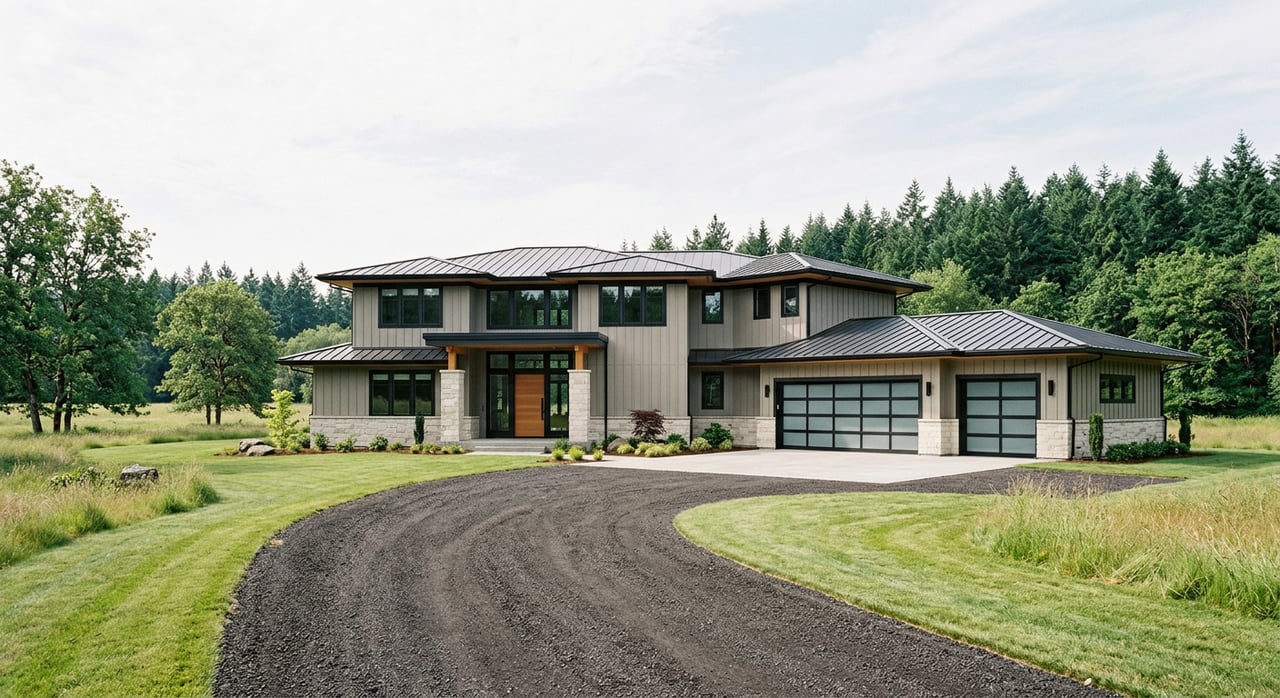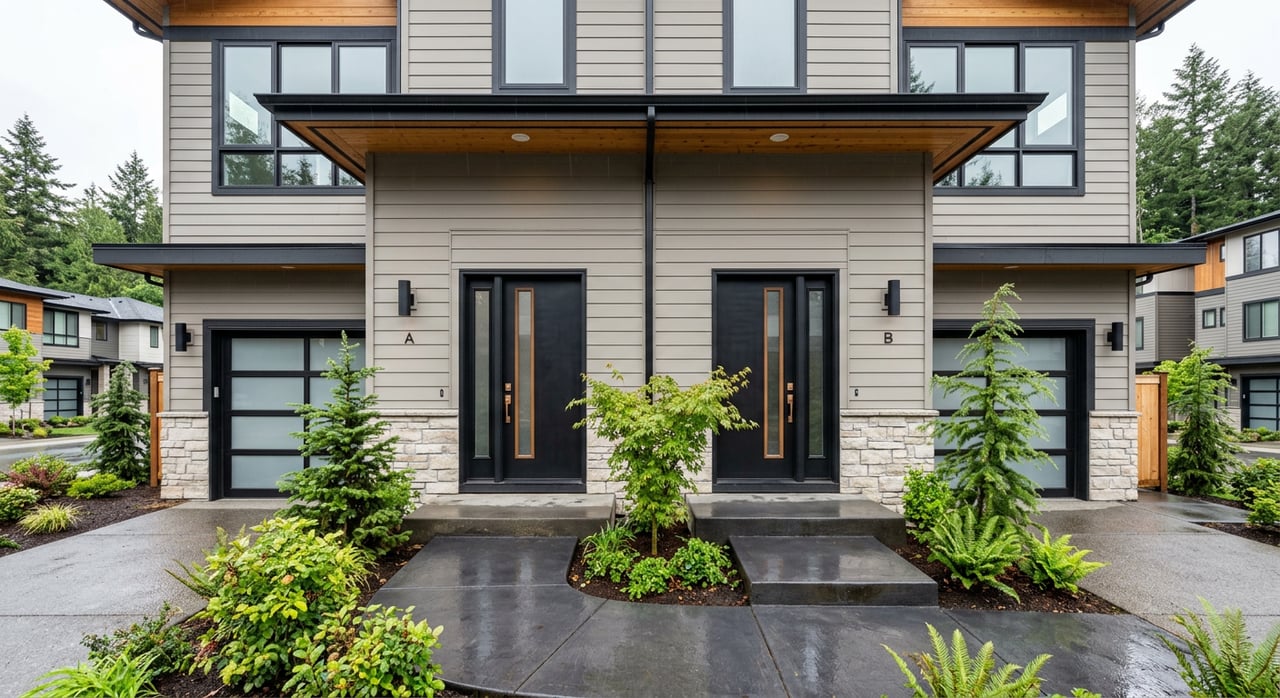
Trying to decide between a condo near Lake Washington or a townhome with a garage and a bit more space? You are not alone. Many Kirkland buyers weigh walkability and low maintenance against privacy, parking and ownership control. In this guide, you will learn how condos and townhomes differ legally in Washington, how those differences affect costs and financing, and how to review HOA documents with confidence. Let’s dive in.
Kirkland at a glance
Kirkland offers a mix of downtown waterfront living and suburban neighborhoods with quick access to I‑405, Bellevue and Redmond. Downtown Moss Bay is the most walkable and amenity rich, while Totem Lake, Rose Hill, Juanita and North Rose Hill offer more new townhome communities and easier commuting. For a sense of neighborhood layout and character, use the City’s neighborhood map and descriptions.
Condo vs townhome in Washington
“Condominium” in Washington refers to a legal structure, not a building look. You own a unit’s interior space plus a share of the common elements, and the community is governed by recorded documents under the Washington Condominium Act (RCW 64.34).
“Townhome” describes a building style with multi‑level attached homes. A townhome can be either fee simple (you own the land and structure) or it can be legally a condo unit within a common‑interest community. The practical differences for you come from the recorded legal form, not the exterior style.
- Verify the legal description. Look for a “unit” in a recorded condominium declaration or a lot/parcel for fee‑simple townhomes. The governing statute affects disclosures, what the HOA maintains, and your review rights. Many common‑interest communities are governed by Washington’s newer law, the Uniform Common Interest Ownership Act (RCW 64.90). Ask which statute applies before you write an offer.
- Parking and storage are often “limited common elements” in condos. The declaration should identify assigned stalls, patios or lockers. Confirm whether these transfer with the unit or are recorded separately by reviewing the declaration section on limited common elements (RCW 64.34.228).
What the HOA maintains and why it matters
In a condo, the association generally handles common elements, while you handle your unit. The declaration may shift some responsibilities, so read closely. This division determines whether you will fund big exterior projects through HOA assessments or cover items yourself. See the statute on maintenance responsibilities in RCW 64.34.328.
Fee‑simple townhomes can vary. Some HOAs maintain exteriors and landscaping, others leave more to owners. The only way to know is to read the governing documents.
HOA dues, reserves and insurance
When you buy a condo unit, Washington law requires the association to provide a resale certificate on request. It includes current assessments, unpaid assessments, budgets, reserve balances, insurance information, governing documents, financials, litigation status and more. Buyers have a short right to cancel tied to the timing of delivery. See the resale‑certificate statute in RCW 64.34.425. If the community is governed by WUCIOA, expanded disclosure items can apply. Review the newer law at RCW 64.90.
Reserves protect you from surprises. Washington statutes call for a reserve account and a reserve study that identifies building components, useful life, remaining life and a funding plan. If the reserve balance is thin relative to the study, the risk of special assessments rises. Learn what a compliant reserve study includes in RCW 64.34.380.
Insurance works in layers. Associations carry a master policy for common elements and the building shell. As an owner, you carry a condo HO‑6 or a homeowners policy, depending on the legal form. Confirm coverage limits, per‑unit deductibles and loss‑assessment clauses. The Washington Office of the Insurance Commissioner explains how HO‑6 coverage works alongside the master policy on its condo insurance resource page.
A practical helper: local title companies offer plain‑English checklists that mirror the statute. This condo resale certificate guide outlines typical documents and delivery timelines.
Financing: what lenders look for
Financing a condo often includes a project review. Government‑backed loans like FHA and VA may require that the condo project be approved. If you plan to use one of these loans, confirm project approval status early. Fee‑simple townhomes that are not legally condos usually avoid this project‑approval step.
Share the association details with your lender early. Items like rental caps, the percentage of commercial space, reserve funding and HOA delinquency rates can influence loan options. Getting your lender the resale packet promptly helps prevent delays.
Lifestyle tradeoffs to consider
Condos can be a great fit when you want low‑maintenance living, building amenities and quick access to waterfront paths, dining and shops. Many downtown Kirkland buildings offer secured parking, elevators and fitness rooms, which can simplify your routine.
The tradeoffs include shared walls, stronger HOA rules, possible rental or pet restrictions, and higher dues in amenitized buildings. You should confirm rules on pets, rentals and remodeling in the CC&Rs before you commit.
Townhomes often feel more like single‑family living. You typically get a private entrance, multi‑level floor plan and a garage, often with a small outdoor space. They can be a smart choice if you want more square footage while keeping exterior chores limited.
The tradeoffs can include more owner responsibility for exterior elements, depending on the documents. If the townhome is part of a condo community, exterior changes may still require HOA approval.
Neighborhood snapshots: where each shines
- Downtown and Moss Bay. If walkability, lake access and building amenities are your priorities, focus on boutique and mid‑rise condos near the waterfront and central shopping and dining. Units commonly range from one to three bedrooms in this area, and buildings often include secure parking and storage.
- Totem Lake and village‑style conveniences. This area blends shopping, healthcare and commuting access. You will find both condos and newer townhome developments that appeal to buyers who want newer construction and quick freeway access.
- Rose Hill and North Rose Hill. These neighborhoods often feature newer townhome clusters and small subdivisions, with convenient routes to Redmond and Bellevue.
- Juanita. Look for a mix of condos and townhomes near parks and everyday amenities, with access to the waterfront and transit corridors.
Prices and HOA dues vary by neighborhood, building age and amenities. Downtown and waterfront pockets tend to command higher prices. Newer townhomes often trade at a premium for space, garage parking and modern finishes, while older communities can offer value. Your agent can compare options in your target micro‑market so you balance lifestyle and budget.
Smart search and due diligence checklist
Before you start touring
- Decide on legal form. If you want amenities and minimal exterior upkeep, search for condos and plan for an association packet. If you want more autonomy and fewer financing hurdles, ask your agent to filter for fee‑simple townhomes and verify the legal description.
- Clarify must‑haves. Parking type, storage, elevator access, outdoor space, pet policies and rental flexibility are common decision points.
When you find a listing you like
- Ask the listing agent whether the seller has requested the resale certificate. Associations have a set period to produce it and the preparation fee is capped by statute. See details in RCW 64.34.425.
- Request the full document set early:
- Resale certificate or WUCIOA resale packet and any updates
- Declaration/CC&Rs, bylaws, rules and recorded amendments
- Current budget and year‑to‑date financials
- The latest reserve study and current reserve account balance
- Delinquency report and any special assessment history or votes
- Master insurance declarations and a summary of owner deductible or loss‑assessment obligations
- Board meeting minutes for the past 12 to 24 months
- Any major vendor or management contracts
Protect your timeline in the offer
- Build in an HOA/document review contingency that aligns with the statutory delivery and cancellation windows. In condos, your right to cancel is tied to delivery of a compliant resale certificate under RCW 64.34.425. If you are using FHA or VA financing, add a lender approval contingency when needed.
How to read the packet quickly
- Start with the current budget and year‑to‑date financials. Are operating revenues covering expenses or are dues increases likely?
- Move to the reserve study and the current reserve balance. Is the study current and adequately funded? See components and funding plans outlined in RCW 64.34.380.
- Read the most recent board minutes for upcoming projects, disputes or material maintenance needs.
- Review the master insurance declarations for per‑unit deductibles and loss‑assessment language, then confirm your HO‑6 or homeowners coverage with your insurance professional using the state’s guidance.
- Check for litigation disclosures and HOA delinquency rates that could affect financing or future dues.
At the showing and inspection
- Test sound transfer by closing doors and listening in key rooms.
- Look and smell for signs of water intrusion. Check windows, ceilings and exterior walls.
- Confirm assigned parking and storage location and that they transfer with the unit in writing.
- Observe elevator, mail, trash and recycling access for convenience and noise.
- Scan for visible exterior maintenance issues that could trigger future projects.
Negotiation tips
- If the reserve study or minutes reveal a near‑term project, discuss credits, timing adjustments or other solutions with your agent.
- Clarify how any existing or upcoming special assessments will be handled in the purchase contract and confirm your lender’s stance if an assessment may be due before closing.
How we help you compare options
You deserve a clear, low‑stress path to the right fit. Our role is to help you confirm the legal form, align lifestyle goals with neighborhoods, and read HOA documents for red flags. We coordinate early lender conversations, summarize reserve studies and insurance details in plain English, and keep your timeline protected from offer through closing. If you want downtown convenience or a townhome with space to grow, we will help you get there with confidence.
Ready to compare specific buildings and communities in Kirkland? Reach out to Greg Erickson for a thoughtful, local game plan and a side‑by‑side look at your best options.
FAQs
What is the difference between a condo and a fee‑simple townhome in Washington?
- A condo is a legal structure where you own a unit plus a share of common elements under the Condominium Act, while a fee‑simple townhome means you own the land and structure; the recorded legal description determines disclosures, maintenance and financing requirements.
What should you look for in a Kirkland condo resale certificate?
- Focus on current dues and unpaid assessments, the budget, reserve study and balance, master insurance, governing documents, recent financials, litigation status and board minutes, as outlined in RCW 64.34.425 and related HOA disclosures.
How do HOA dues and reserves affect your monthly cost?
- Dues cover operating costs and shared maintenance; a well‑funded reserve reduces the chance of special assessments, while thin reserves can increase risk, so read the reserve study and budget together to gauge future costs.
Can you use FHA or VA loans to buy a condo in Kirkland?
- Yes, but many condo projects require FHA or VA approval; confirm the project’s status early and share HOA documents with your lender to avoid delays, while fee‑simple townhomes generally do not require condo project approval.
Who maintains exterior elements in a common‑interest community?
- In condos, the association typically maintains common elements and sometimes limited common elements, while owners handle their units; fee‑simple townhome maintenance varies by HOA, so check the declaration and rules for exact responsibilities.
How do parking and storage work in Kirkland condos?
- Parking stalls and storage lockers are often designated as limited common elements in the declaration; verify assignments and confirm in writing that these transfer with the unit at closing under the community’s recorded documents.