Thinking about a move to Mill Creek but not sure what daily life really looks like? You want good access to work, parks you can actually use, and a home that fits your lifestyle and budget. This guide gives you a practical look at housing, HOAs, commutes, amenities, schools, and costs so you can decide with confidence. Let’s dive in.
Mill Creek at a glance
Mill Creek sits in Snohomish County inside the Seattle–Bellevue–Everett metro. You are positioned between Everett to the north and the Eastside to the south, which makes it a convenient commuter base for multiple employment hubs. The city grew as a master-planned suburb, with a defined Town Center, tree-lined neighborhoods, and an emphasis on parks and trails.
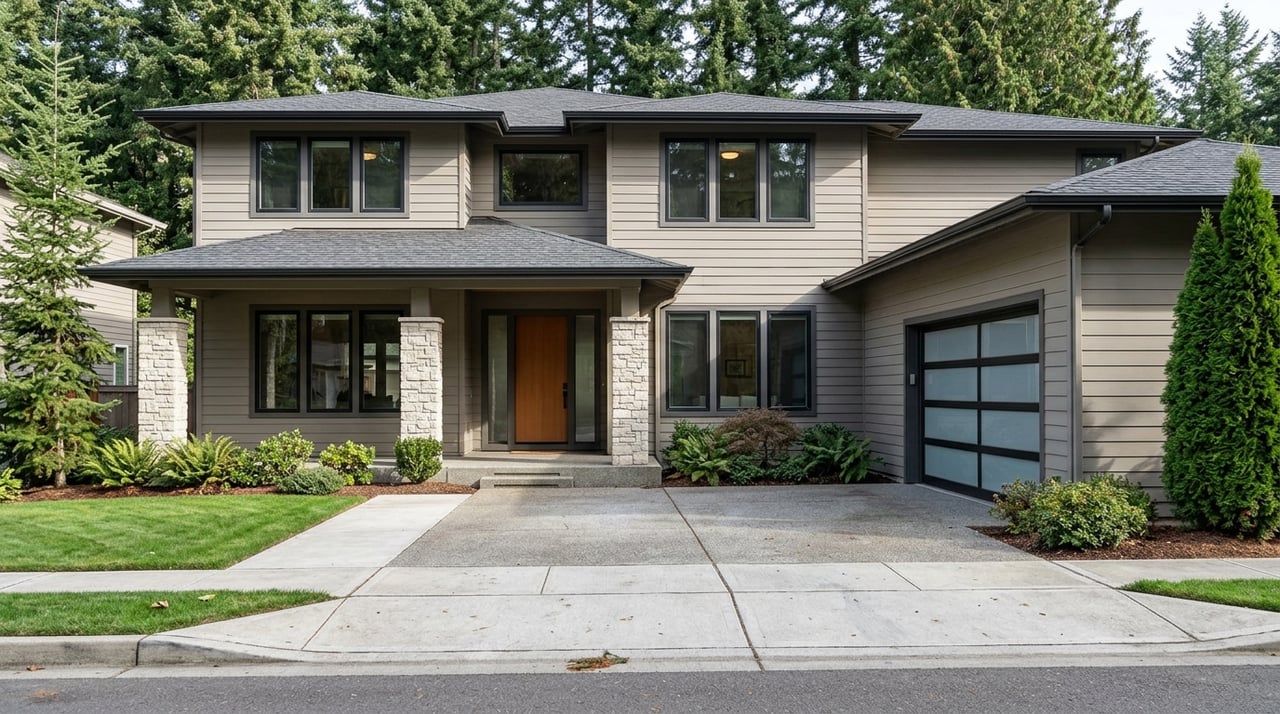
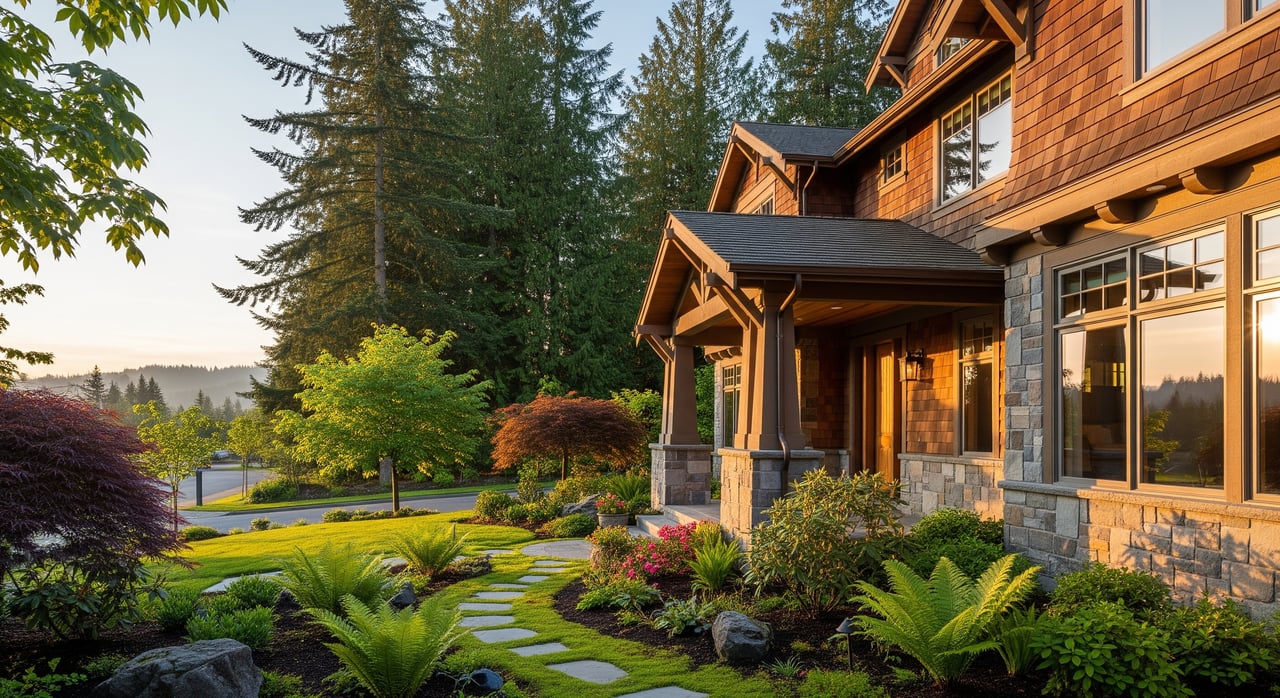
The housing areas were built mostly from the 1970s through the 2000s. That means mature landscaping, established subdivisions, and a mix of single-family homes along with townhomes and condos in denser pockets. The community is primarily residential and designed for everyday convenience.
Housing types and neighborhoods
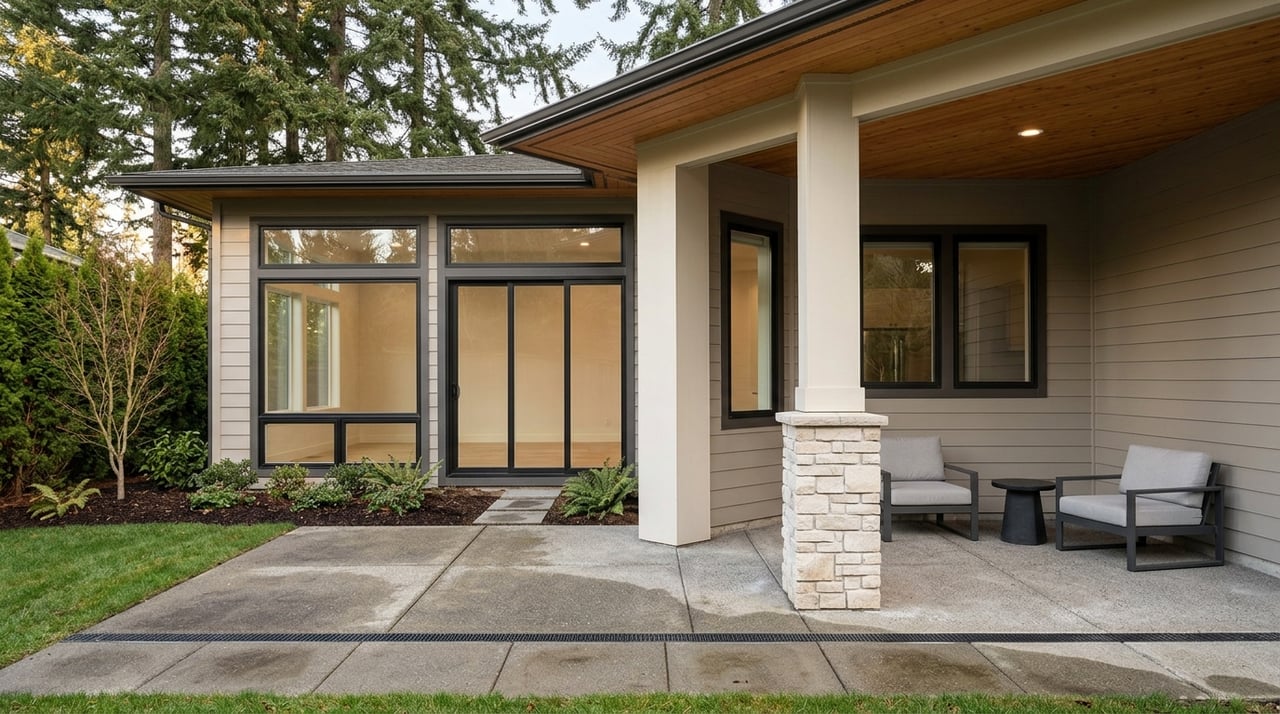
You will find the classic suburban mix: ranch and two-story homes on modest to mid-size lots, plus newer infill and attached options near the Town Center. Many subdivisions have homeowner associations that maintain common areas and set community rules. Condos and townhomes often include exterior maintenance as part of the dues.
If you prefer a lower-maintenance lifestyle, townhomes and condos can be a good fit near the Town Center and along key corridors. If you want more space and a yard, look to established single-family neighborhoods throughout the city and at the edges, where some lots are larger.
HOAs and what to review
- Ask for the full HOA document set early, including CC&Rs, rules, and recent meeting minutes.
- Review reserve studies and budgets to understand long-term planning and financial health.
- Check for any recent or upcoming special assessments.
- Understand restrictions that may affect your plans, such as exterior changes or parking policies.
Inspection priorities for Mill Creek homes
- Roof, HVAC, and water heater age and condition are common focus areas, especially in homes built before the 2000s.
- Older plumbing or drain lines in pre-1990 homes may need evaluation.
- Look for past updates in kitchens and bathrooms, and verify the quality and permits where applicable.
Renovations and permits
If a home shows recent work, confirm permit history through the city’s building permit records. Ask sellers for contractor invoices and warranties. Unpermitted projects can complicate insurance, appraisal, and resale.
Daily life and amenities
Town Center convenience
Mill Creek Town Center is the community’s commercial hub. It offers a mix of retail, dining, services, and seasonal events that make day-to-day errands and meetups easy. You can grab coffee, pick up groceries, schedule a haircut, and meet friends for dinner without driving to a regional mall.
Parks and trail networks
You have access to maintained parks and trails that support walking, biking, dog-walking, and youth sports. On weekends, it is a short drive to regional recreation around Puget Sound and the Cascade foothills for hiking, water access, and mountain activities. The city’s parks and Snohomish County park systems provide maps and updates to help you plan your routes.
Walkability and neighborhood feel
The Town Center area is the most walkable part of Mill Creek. Many other neighborhoods are car-oriented but include sidewalks and bike routes, which makes local loops and school walks practical. If walkability is a priority, focus your search near the Town Center or along connected trail corridors.
Schools and family services
Mill Creek is served by public school districts that cover the broader region. Boundary lines can shift between neighborhoods, so confirm the assigned elementary, middle, and high schools for any specific address. For performance data, programs, and enrollment, check the Washington Office of Superintendent of Public Instruction, the district’s boundary maps, and independent resources. You will also find options for childcare, preschools, and youth sports through local providers and parks departments.
Important note: school boundaries and program offerings change. Always verify current information directly with district resources before you rely on it for your purchase decision.
Commuting and transit
Driving routes connect you to Everett, the Eastside, and Seattle. Commute times vary with traffic and departure time, so plan a test run during your typical schedule. If you use transit, Community Transit provides local and commuter bus service, including express routes to regional job centers. Park-and-ride lots in the area can simplify your daily routine. Regional light rail extensions may influence long-term patterns, so check current project timelines if future transit is part of your plan.
To get a realistic picture, map your door-to-door trip with live traffic tools, consider hybrid options that combine park-and-ride with bus service, and build in flexibility for peak periods.
Cost of living and taxes
As part of the greater Seattle metro, housing is the biggest cost for most households. While Washington state does not have a personal income tax, sales tax and property taxes contribute to overall expenses. For current property tax rates, exemptions, and parcel-level history, consult the Snohomish County Assessor-Treasurer. These details vary by property and can affect your monthly budget.
Utility providers differ across neighborhoods, so confirm who services electricity, natural gas, water, and sewer before you make an offer. Ask sellers for recent utility bills to estimate typical costs.
Insurance is another key line item. Washington is earthquake-prone, and standard homeowners policies do not usually include earthquake or flood coverage. If you are considering property near mapped hazard areas, review FEMA flood maps and ask your insurance provider for quotes based on the exact address.
Who Mill Creek is right for
Advantages to consider
- Suburban environment with a centralized Town Center for everyday errands and dining.
- Direct access to multiple employment centers while maintaining a quieter residential feel.
- Established neighborhoods with mature landscaping, parks, and trail networks.
Trade-offs to plan for
- Commute times can be longer than inner-city alternatives and are affected by freeway congestion.
- Home prices can reflect the city’s amenities and location compared with farther-out exurbs.
- Fewer late-night options than central Seattle or Bellevue.
Smart buyer checklist for Mill Creek
Use this list to focus your search and protect your budget.
Neighborhood and lifestyle
- Walk the subdivision at different times to understand traffic patterns and noise.
- Ask about HOA dues, rules, recent assessments, and long-term plans.
Schools and childcare
- Verify school boundaries for the property address and review district resources for enrollment and programs.
- Explore nearby childcare, preschools, and youth activities that fit your schedule.
Commute and transit
- Do a live test run to your workplace at your typical departure times.
- Check Community Transit routes and park-and-ride access for your preferred schedule.
Property condition and running costs
- Review sellers’ disclosures, recent inspection reports, and system ages for roof, HVAC, and water heater.
- Request recent utility bills and the parcel’s tax history.
Zoning, permits, and nearby development
- Confirm permit history for past renovations.
- Check City of Mill Creek planning notices for projects that could affect traffic or noise.
Insurance and hazards
- Review FEMA flood maps and local hazard layers.
- Get insurance quotes for homeowners, and earthquake or flood coverage if desired.
How The Erickson Group helps you
Buying in Mill Creek is easier when you have a local guide who knows the neighborhoods, understands market rhythms, and can help you navigate inspections, financing strategies, and negotiation. The Erickson Group pairs hyperlocal expertise with a high-touch, end-to-end process, so you can move forward with clarity and confidence.
If you are weighing Mill Creek against nearby communities, want a second opinion on HOA health, or need help mapping your commute and school options, reach out. A quick conversation can help you focus your search and avoid costly surprises. When you are ready, connect with Greg Erickson to get personalized guidance.
FAQs
What makes Mill Creek different from nearby suburbs?
- Mill Creek offers a defined Town Center with retail, dining, and events, plus established neighborhoods and trail systems that support a practical suburban lifestyle.
What types of homes are most common in Mill Creek?
- You will mostly see single-family homes from the 1970s–2000s, along with townhomes and condos near denser corridors and the Town Center.
Are there many HOAs in Mill Creek?
- Many planned subdivisions, townhome communities, and condo complexes have HOAs. Review CC&Rs, budgets, reserve studies, and recent assessments before you write an offer.
How walkable is Mill Creek?
- The Town Center area is the most walkable. Other neighborhoods are primarily car-oriented but include sidewalks and bike routes for local trips.
How should I evaluate schools when buying in Mill Creek?
- Confirm school boundaries for a specific address and review district and state education resources for performance and programs, since assignments and offerings can change.
What are typical inspection issues for older homes here?
- Focus on roof and HVAC age, plumbing and drain lines in pre-1990 homes, and permits for past renovations like kitchens and baths.
What should I know about taxes and utilities?
- Property taxes and utility providers vary by address. Check the Snohomish County Assessor for tax history and ask for recent utility bills to estimate monthly costs.
Is earthquake or flood insurance required in Mill Creek?
- Requirements depend on the exact property and lender. Standard policies do not include earthquake or flood coverage, so verify hazard maps and get quotes for your address.