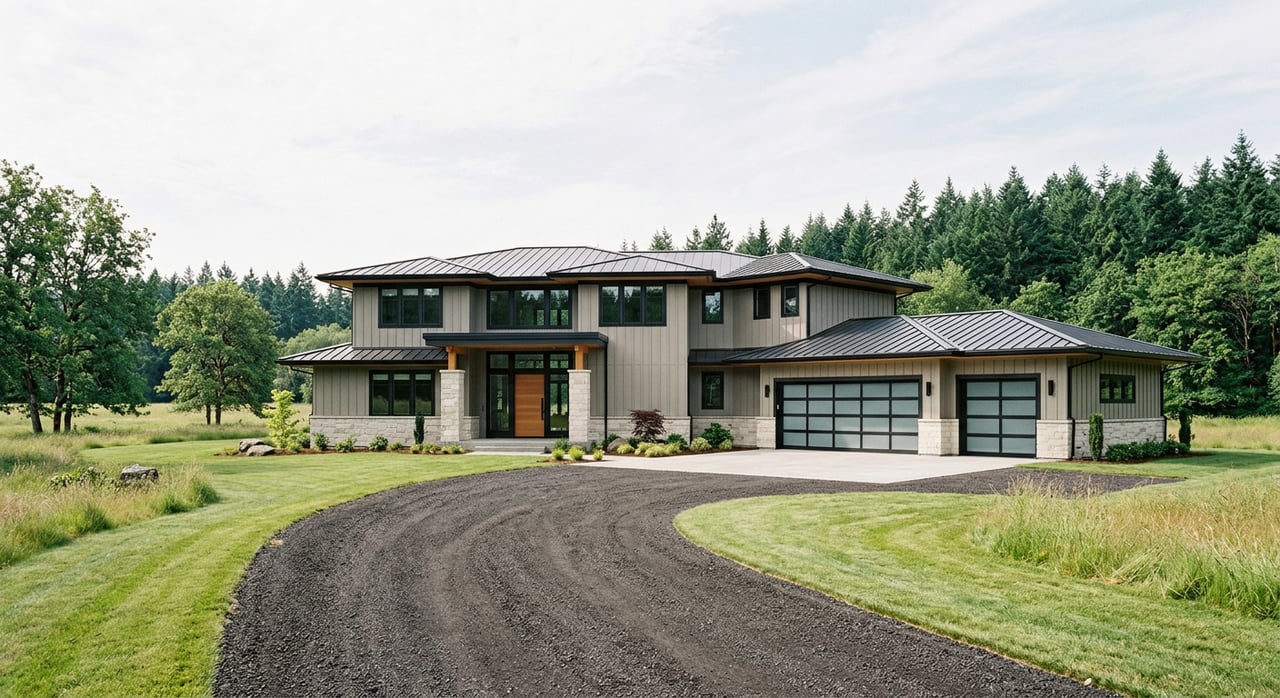
Dreaming of a little more space, privacy, and fresh air without giving up your Eastside routine? Woodinville offers that rare mix of wine‑country lifestyle, larger lots, and access to Seattle and Bellevue job centers. If you are considering an acreage or estate home here, you will want a simple plan that covers zoning, utilities, wells and septic, and what to check before you write an offer. This guide walks you through the essentials so you can buy with confidence. Let’s dive in.
Why Woodinville works for acreage
Woodinville sits along the Sammamish River in a pocket of rolling hills and valleys known for tasting rooms and weekend escapes. The area’s wine scene, highlighted by destinations in Woodinville Wine Country, adds lifestyle value and steady demand for homes on larger lots. For commuters, the city’s QuickFacts snapshot shows a mean travel time to work of about 27.1 minutes, which lines up with Eastside access while still feeling a world away at home.
Buyers often look at Hollywood Hill, the Wine Country area, and nearby valleys for one to five acre parcels, with larger equestrian and gated estates starting around five acres and up. Keep in mind that what matters is not just lot size, but how much of that land you can actually use.
Start with jurisdiction and zoning
Your first move is to confirm whether the property sits inside the City of Woodinville or in unincorporated King County. This one detail controls most rules about lot size, septic, subdivision, and permits. Use the City of Woodinville maps to check city limits, zoning, and critical‑area layers.
If the parcel is outside city limits, King County’s Rural Area zoning applies. You will see designations like RA‑2.5, RA‑5, or RA‑10 on listing notes or assessor pages. Those suffixes signal the intended density pattern and influence minimum parcel size and land division options. For specifics, review the county code for rural zones in King County Title 21A.
Lot size vs usable acreage
A headline acreage number is a start, not the finish. Buffers around wetlands and streams, floodplain lines, and steep slopes can limit where you can build, expand, or add outbuildings. Woodinville’s critical‑areas chapter explains how buffers and mitigation work and why a technical report may be required before approvals. If a property sits near mapped features, plan for a professional delineation early. You can review the City’s critical‑areas code here: Woodinville Municipal Code, Chapter 21.51.
Two practical tips:
- Ask for a site plan that shows the home, septic system, well, drive, and any known buffers. A current boundary survey helps everything go faster.
- If you hope to add a shop, barn, or ADU, confirm setbacks and critical‑area limitations before you promise plans to your builder.
Infrastructure and utilities to check
Water and sewer
Service areas in Woodinville are a patchwork of special districts. The Woodinville Water District supplies potable water across much of the area and handles wastewater collection where sewer is available. Other nearby districts serve some addresses, and some rural parcels rely on private wells and on‑site septic. Confirm which district serves the parcel and whether a connection is available. If a property is off‑district, budget for well work and septic maintenance.
Septic and required transfer inspections
If the home is not on sewer, King County requires a property‑transfer inspection of the on‑site sewage system by a licensed On‑Site System Maintainer before title transfer. Sellers must file that OSM report with Public Health. Build this into your offer timeline so you are not rushed at closing. You can read the county’s requirements in the Board of Health rules and ordinances here: King County legislation for on‑site systems.
Wells and water quality
For private wells, most lenders and appraisers expect a well log or completion report, recent bacteriological and nitrate tests, and sometimes a pump flow test. If the seller cannot produce current records, plan to order testing during your inspection period. Keep those results organized for underwriting and for your long‑term maintenance file.
Access, easements, and private roads
Acreage homes often sit on private roads or shared driveways. Confirm the parcel has recorded, legal access and that any private road has a maintenance agreement. You can locate easements and covenants through King County Assessor and Recorder resources. Missing road agreements or unclear access can slow financing and insurance.
Power, broadband, and other services
Standard electric service reaches most addresses, but high‑capacity upgrades for large shops or equestrian facilities can be costly. Broadband can vary by pocket. Some rural lots have fiber or cable, while others rely on fixed wireless or satellite. Check address‑level options before you count on seamless remote work. This overview of providers is a helpful starting point: Woodinville internet availability.
Emergency services and wildfire risk
Response times can be longer on larger, more remote lots. Woodinville addresses are covered by regional dispatch that includes Woodinville Fire & Rescue through NORCOM. Ask your insurance agent about coverage for wooded parcels and any mitigation steps they recommend. For a broader look at local fire service providers, see this overview from MRSC: Fire protection service providers.
Your due‑diligence roadmap
Smart buyers split their work into quick pre‑offer checks and deeper post‑offer contingencies. Use the list below to stay on track.
Pre‑offer checks
- Confirm jurisdiction and zoning. Use the City of Woodinville maps and, for rural parcels, note any RA zoning.
- Identify utility districts and current service status. Call the Woodinville Water District and note whether the home is on sewer or septic.
- Pull county parcel records. Review easements, access, and covenants through the King County Assessor.
- Scan critical‑areas and flood maps. If buffers or floodplain are near the site, plan for technical reports. Start with the City’s layers and the critical‑areas code.
Post‑offer contingencies and pre‑closing tasks
- Order the septic property‑transfer inspection. Confirm a licensed OSM will complete and file the report as required by King County rules.
- Verify well documentation and water quality. Request the well log and schedule bacteriological and nitrate tests. Add a pump test if flow is a concern.
- Commission a boundary survey and site plan. Map buildings, septic, well, driveways, easements, and any known buffers to avoid surprises.
- If you plan site changes, line up reports. A geotechnical report may be needed for steep slopes, and a wetland or stream delineation may be required near mapped features. Reference the critical‑areas standards when scoping work.
- Review title for special limitations. Watch for conservation easements, timber rights, or agricultural classifications in the county records.
Financing and insurance
- Choose a lender comfortable with acreage and on‑site systems. Confirm what documentation they need for wells, septic, and outbuildings before you write an offer.
- Talk with your insurance agent about wildfire exposure, access, and water supply. Mitigation steps can influence premiums and deductibles.
Valuation, appraisal, and resale
Acreage and estate properties appraise differently than tract homes. The pool of true comparables is smaller, so clean documentation helps your value case. Appraisers typically start with the sales comparison approach, then make larger adjustments for land quality, usable acreage, outbuildings, and site improvements.
To support value and future resale, collect and store:
- Permits and final approvals for shops, barns, and major improvements.
- Septic design, as‑built drawings, and transfer inspection reports.
- Well completion reports and recent water quality tests.
- Surveys, site plans, and any critical‑area studies. These clarify buildable areas and can reduce risk for lenders and buyers down the road.
Neighborhoods close to tasting rooms and wine‑country amenities often trade at a premium for privacy and proximity. Larger lots outside the core can also command strong prices when the land is usable and systems are well documented.
Choose local representation that knows land
Acreage deals blend residential real estate with land use, environmental regulation, and site engineering. Look for an agent who regularly works with acreage and estates on the Eastside and who can coordinate septic, well, and access reviews before you commit. Industry designations like the REALTORS Land Institute’s Accredited Land Consultant can signal relevant training. Learn more about that credential here: Accredited Land Consultant designation.
The right partner will help you:
- Confirm jurisdiction, zoning, and sewer availability before you tour.
- Budget for septic or well upgrades with realistic timeframes.
- Order the right technical reports the first time.
- Prepare a credible appraisal package for your lender.
Quick buyer checklist
Use this short list to keep your purchase organized:
- Confirm parcel jurisdiction and exact zoning using the City of Woodinville maps.
- Ask for the septic OSM transfer report and well log if applicable. Plan to test water per King County requirements.
- Pull county parcel and assessor records for easements and rights of way, and confirm legal access using the King County Assessor tools.
- Scan the City’s critical‑areas layers and review the critical‑areas code. If mapped resources appear, plan a wetland delineation or geotech report.
- Confirm utility district boundaries for water and sewer and any connection or upgrade costs with the Woodinville Water District.
- Obtain a boundary survey and collect maintenance and permit records for any outbuildings.
- Ask your lender early about documentation needs for wells, septic, and accessory buildings.
Ready to explore acreage and estate homes in Woodinville with a clear plan and a local advocate by your side? Reach out to Greg Erickson to talk through your goals, map a smart due‑diligence path, and tour properties that fit how you want to live.
FAQs
What is the difference between City of Woodinville and unincorporated parcels?
- City parcels follow Woodinville’s zoning and critical‑area rules, while unincorporated parcels follow King County’s rural zoning. Confirm jurisdiction using the City of Woodinville maps.
How do septic inspections work when selling or buying an acreage home in King County?
- For homes not on sewer, a licensed OSM must inspect the on‑site system and file a report with Public Health before title transfer per King County requirements.
What do RA‑5 or RA‑10 zoning labels mean near Woodinville?
- They are King County Rural Area designations that reflect density patterns and influence minimum parcel sizes and land division rules, outlined in Title 21A.
How can critical areas affect where I can build on an acreage lot?
- Wetland, stream, floodplain, and steep‑slope buffers can limit building locations and add mitigation steps; review Woodinville’s critical‑areas standards and plan technical reports as needed.
How do I confirm water and sewer service for a Woodinville property?
- Start by identifying the serving district and whether the property is on sewer or septic, then contact the Woodinville Water District for connection or service details and check county records for well documentation.