If you want a neighborhood where you can grab coffee, stroll by the water, run a few errands, and still stay well connected to the rest of the Eastside, living near downtown Kirkland is easy to picture. For many buyers, the appeal is not just the lake views. It is the chance to build a more walkable, connected daily routine in one of the Eastside’s most active waterfront areas. If you are wondering what day-to-day life really feels like here, this guide will walk you through the setting, housing, transportation, and lifestyle. Let’s dive in.
Downtown Kirkland has a distinct feel
Greater Downtown Kirkland is recognized by the Puget Sound Regional Council as a 564-acre regional growth center that includes the historic Moss Bay core and the NE 85th Street Station Area. Regional planners describe it as a walkable, mixed-use, transit-oriented district with housing, jobs, shopping, culture, entertainment, and parks.
That planning language lines up with how the City of Kirkland presents the area to residents and visitors. The city describes downtown as a pedestrian-friendly lakeside core with water views, boutiques, locally owned coffee shops, spas, dining, parks, galleries, and an active arts scene.
In practical terms, that means downtown Kirkland often feels more like an urban waterfront district than a typical suburban main street. You are close to everyday conveniences, but you also get a setting that encourages you to slow down and spend time outside.
Daily life is centered on walkability
One of the biggest draws of living near downtown Kirkland is how much you can do within a relatively compact area. Instead of planning your whole day around driving, you may find yourself walking to a café, meeting friends for dinner, or heading toward the waterfront for a quick break.
The Kirkland Downtown Association supports merchants and the community with year-round public events. Its programming includes the Kirkland Wednesday Market, the Summer Concert Series, and seasonal winter events that bring people downtown to shop, dine, and spend time near the water.
The Wednesday Market runs at Marina Park from June through September. It features local farmers, artists, artisans, and food producers, which adds a steady rhythm to summer and early fall for people who live nearby.
Kirkland Urban also shapes everyday convenience in the downtown area. This mixed-use development brings together a grocer, retail, restaurants, bars, apartments, and public plaza space, and it is positioned within walking distance of the waterfront and next to Peter Kirk Park.
All of that supports a lifestyle built around shorter trips and more spontaneous plans. If you value being able to leave the car parked more often, downtown Kirkland offers a setup that makes that easier.
The waterfront is part of the routine
Living near downtown Kirkland is not just about having access to shops and restaurants. It is also about having regular access to outdoor spaces that make the area feel open and active.
The City of Kirkland points residents to Marina Park, neighborhood walking maps, and the Cross Kirkland Corridor for recreation and everyday movement. Marina Park remains one of the area’s central gathering spots, and the city also notes that Marina Park and the 2nd Avenue South Dock together offer 80 uncovered moorage slips year round.
The Cross Kirkland Corridor stretches 5.75 miles through the heart of Kirkland. For nearby residents, it adds another option for walking, biking, and moving through the city without always relying on a car.
That access to parks, trails, and the lake can shape your daily routine in simple ways. A short waterfront walk, a morning run, or an evening stop at the park becomes much easier when it is built into the neighborhood.
Housing near downtown looks different
If you are used to searching in more traditional suburban neighborhoods, the housing mix near downtown Kirkland may feel noticeably different. The city says more than 75 percent of Kirkland’s land area is zoned for housing, including single-family homes, multifamily apartments, and condominiums, and mixed-use development in business districts has increased over the past 15 years.
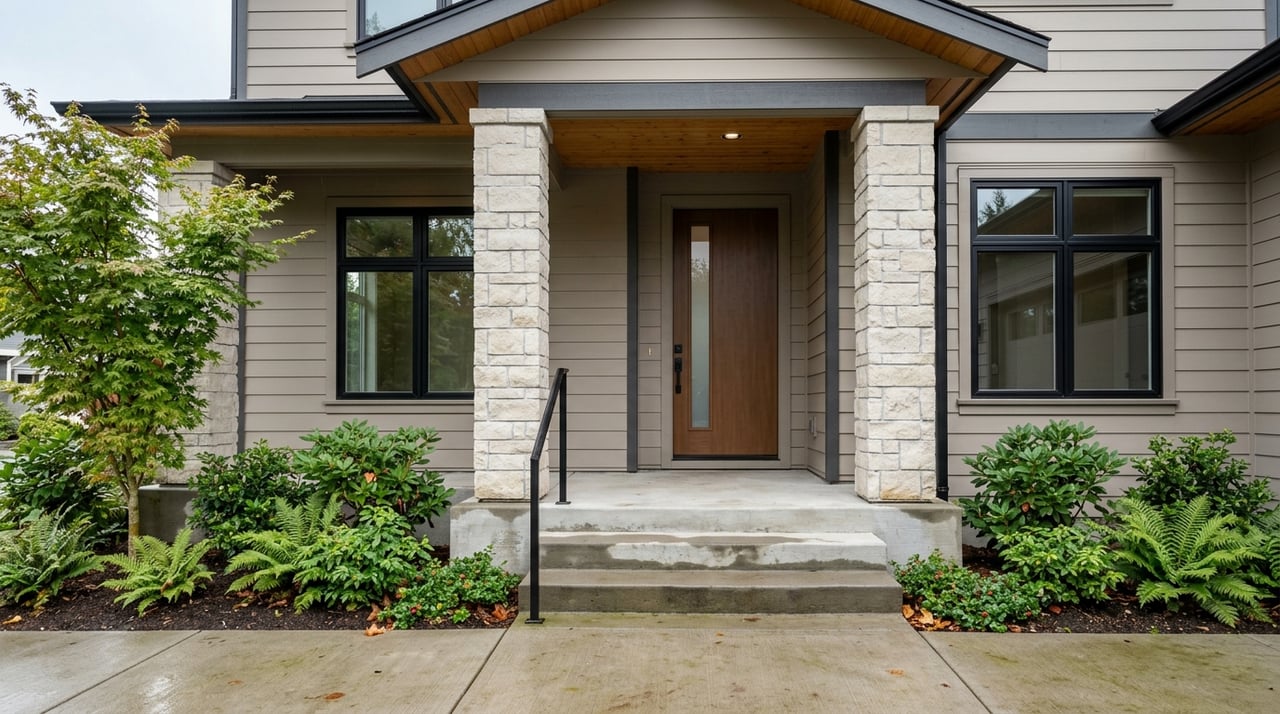
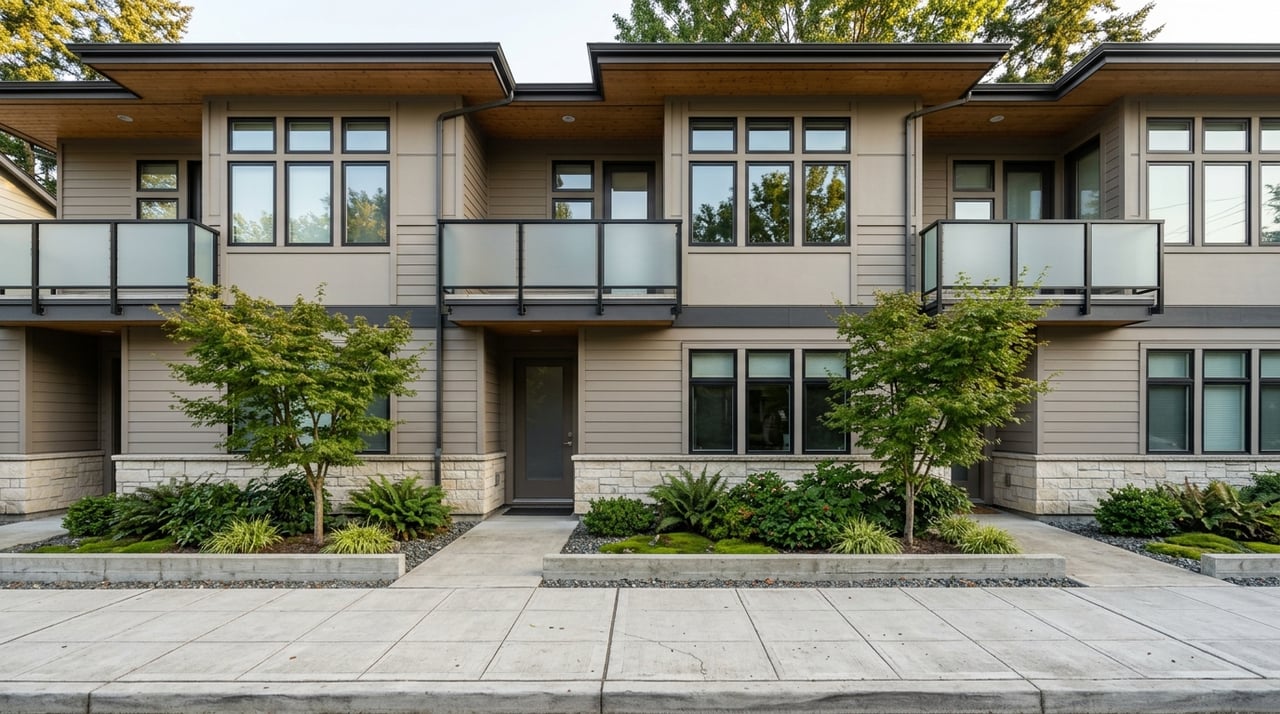
Near the downtown core, that often translates to a stronger condo-and-apartment profile than you may find in many other Eastside neighborhoods. Mixed-use buildings and attached housing are a meaningful part of the local landscape, especially close to shops, services, and the waterfront.
Kirkland Urban adds to that profile with apartment inventory in the center of downtown. For buyers or renters who want lower-maintenance living and easy access to amenities, that kind of housing can be a natural fit.
The city also states that housing demand outweighs supply, which increases cost. If you are looking near downtown, that helps explain why prices and competition can feel more intense, especially for well-located homes with strong walkability and easy access to amenities.
More housing types may appear nearby
Kirkland adopted middle-housing code amendments in 2025 that require the city to allow more housing types citywide, including townhomes, stacked flats, and other smaller-scale forms. While that does not mean every block near downtown will change in the same way, it does suggest that areas just outside the core may continue to see more attached infill over time.
For buyers, that could create a broader range of options near downtown, especially if you want to stay close to the action without being in the center of it. For homeowners, it is also a reminder that Kirkland is planning for growth and evolving housing needs.
This matters because your best fit may not always be right on the waterfront or in the busiest downtown blocks. Sometimes the sweet spot is a nearby area that still gives you access to downtown while offering a different home style or layout.
Getting around is relatively flexible
Transportation is another major reason people choose to live near downtown Kirkland. Sound Transit says the Kirkland Transit Center is a few blocks from the heart of downtown and serves as an important regional hub for Sound Transit and King County Metro connections.
King County Metro Route 255 connects the Kirkland Transit Center with South Kirkland Park-and-Ride, Evergreen Point Station, UW Station, and the University District. Route 245 serves Kirkland, Houghton, Overlake, Crossroads, Bellevue College, and Eastgate. Route 249 serves Spring District Station, South Kirkland, Bellevue, and South Bellevue Station.
For many residents, that network can support a less car-dependent routine while still keeping Eastside job centers and Seattle-area connections within reach. If commute flexibility matters to you, downtown Kirkland offers more transit support than many suburban locations.
Walking also plays a real role here. Between the pedestrian-friendly downtown layout, neighborhood walking maps, and the Cross Kirkland Corridor, it is easier to mix walking, transit, and driving depending on the day.
Parking is available but more managed
If you still plan to keep a car, it is worth understanding the parking reality near downtown Kirkland. The City of Kirkland offers a real-time parking availability map for downtown on-street parking and several lots.
The city’s parking guide includes 30-minute, 2-hour, and 4-hour free options, along with paid public lots and the Peter Kirk Municipal Parking Garage under the library. Those resources can make visits and errands more manageable, especially if you are learning the area.
At the same time, the city began a parking monitoring program in downtown and waterfront lots because public parking supply is limited. In everyday terms, that means parking exists, but it tends to be more actively managed than in a conventional suburban setting.
For some buyers, that is a fair trade for walkability and waterfront access. It simply helps to go in with clear expectations if you are comparing downtown Kirkland with neighborhoods where parking feels more abundant.
Who tends to enjoy this lifestyle
Living near downtown Kirkland often appeals to buyers who want a more connected, experience-driven routine. You may be a good fit for the area if you like the idea of walking to coffee, spending time at parks, browsing local shops, and having transit nearby.
It can also work well if you prefer attached housing, lower-maintenance living, or a location that feels active without giving up access to outdoor space. The balance of waterfront recreation, mixed-use development, and regional connections is a big part of the area’s appeal.
That said, the right fit always comes down to how you want to live day to day. Some buyers love being in the center of the activity, while others prefer to live just outside downtown and visit it often.
What to weigh before you move
Before you decide whether downtown Kirkland is right for you, think about your lifestyle priorities. If walkability, lake access, local events, and flexible transportation matter most, this area checks a lot of boxes.
You should also weigh the tradeoffs. Housing near the core often leans more toward condos, apartments, and mixed-use living, and stronger demand can mean more price pressure. Parking is manageable, but it is more limited and structured than in many suburban neighborhoods.
The good news is that there is no one-size-fits-all answer. With the right local guidance, you can narrow down whether you want to be in the heart of downtown or in a nearby pocket that still gives you easy access to everything that makes Kirkland appealing.
If you are exploring homes in Kirkland or comparing downtown living with nearby neighborhoods, working with a local advisor can help you focus on the lifestyle fit as much as the property itself. When you are ready to talk through your options, connect with Greg Erickson for practical guidance tailored to your move.
FAQs
Is downtown Kirkland walkable for everyday living?
- Yes. Regional planning and city materials describe downtown Kirkland as walkable, mixed-use, and pedestrian-friendly, with shops, dining, parks, and waterfront access close together.
What types of homes are common near downtown Kirkland?
- Near the core, you will generally find more condos, apartments, and mixed-use buildings, with additional housing types like townhomes and stacked flats becoming more relevant citywide.
How do residents get around near downtown Kirkland?
- Residents can use the Kirkland Transit Center, King County Metro routes, neighborhood walking maps, the Cross Kirkland Corridor, and local streets designed to support a more flexible routine.
Is parking difficult near downtown Kirkland?
- Parking is manageable, but it is more limited and actively managed than in a typical suburban area, with free short-term options, paid lots, and a municipal garage available.
What makes living near downtown Kirkland different from other Eastside areas?
- The mix of waterfront access, walkability, public events, mixed-use development, and transit connections gives it a more urban, lakeside feel than many other Eastside neighborhoods.