If you only know Woodinville as a weekend wine-tasting destination, you are missing the bigger picture. For many residents, this small King County city offers a daily mix of neighborhood living, outdoor access, commuter convenience, and a food-and-drink scene that stays woven into everyday life. If you are wondering what it is really like to live in Woodinville year-round, this guide will help you understand the pace, housing patterns, costs, and routines that shape life here. Let’s dive in.
Woodinville Is More Than A Tasting Stop
Woodinville has built a strong identity around wine country, and that reputation is well earned. The City of Woodinville describes it as a world-renowned winery destination in the Sammamish River Valley, about 25 to 30 minutes from Seattle by car, with more than 100 wineries, cideries, and distilleries.
At the same time, Woodinville is still a relatively small city. Census estimates put the population at 14,548 residents across 5.62 square miles, with 5,425 households. That smaller scale is part of what gives Woodinville its distinct feel. You get destination-level amenities, but you also get a place where daily life is still grounded in local routines.
What Daily Life Feels Like
Living in Woodinville year-round means the wine-country setting becomes part of your backdrop, not just a special occasion. Restaurants, tasting rooms, event spaces, and gathering spots are integrated into the city’s main districts, including Downtown, Hollywood, Warehouse, and West Valley.
But daily life is not centered only on visitors. Residential neighborhoods, parks, sidewalks, schools, and commuter routes play just as big a role in how the city functions. That balance is a major reason many buyers look closely at Woodinville when they want a suburban lifestyle with a little more personality.
The city’s own resident survey ratings help tell the story. In the 2025 and 2026 budget guide, residents rated overall quality of life at 88%, safety at 95%, recreation and natural environment at 95%, and transportation at 76%. Those numbers suggest a city that scores especially well for environment and livability, while still having the normal tradeoffs that come with getting around a busy regional market.
Woodinville Neighborhoods And Housing
Woodinville includes several recognized neighborhood areas, including North Industrial, West Wellington, Wedge, East Wellington, Woodinville Heights, Reinwood/Leota, Lower West Ridge, and Upper West Ridge. Each area fits into the city a little differently, which matters when you are deciding what kind of home and setting best match your goals.
The city’s land use is intentionally uneven. Woodland residential and low-density zoning preserve mostly detached single-family neighborhoods in the northeastern part of town, while medium- and higher-density housing is concentrated closer to transit and commercial areas. Tourist business zoning supports wineries, restaurants, lodging, and related uses.
That means your experience can vary depending on where you land. Some parts of Woodinville feel more residential and tucked away, while others place you closer to dining, tasting rooms, and daily conveniences.
Common Home Types In Woodinville
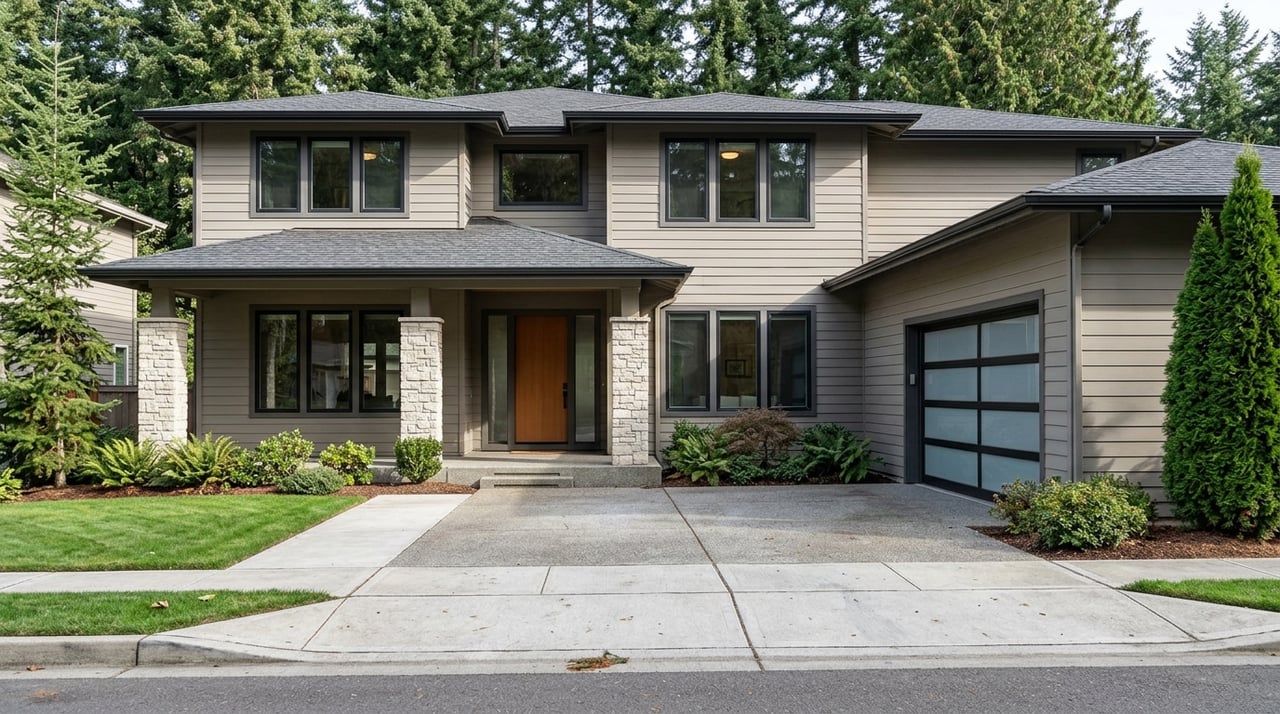
Woodinville offers a mix of housing, though detached homes remain the dominant format. The city says 54% of housing units are single-family, 34% are multifamily, and 12% are townhouse or mobile home.
Land-use data also shows how much of the city remains dedicated to lower-density living. About 47% of land is single-family residential, 17% is moderate-density residential, 1% is high-density residential, and about 14% is undeveloped. For buyers, that often translates into a market where traditional suburban homes still define much of the city, even as new housing options continue to develop over time.
HOA And Neighborhood Considerations
Many residential developments in Woodinville have homeowners associations. The city notes that CC&Rs are enforced by those associations, not by the city itself.
That is an important practical detail if you are comparing neighborhoods. Before you buy, you will want to understand any rules, dues, and maintenance expectations tied to a specific community.
The Cost Of Living In Woodinville
For most buyers and renters, housing costs will be one of the first realities to weigh. Census estimates show a median owner-occupied home value of $1,100,100, a median gross rent of $2,416, and median monthly owner costs with a mortgage of $3,872.
Those numbers place Woodinville firmly in the conversation for buyers who are budgeting for a higher-cost Eastside and North King County lifestyle. The owner-occupied rate is 57.3%, which reflects a city with both established homeowners and a meaningful renter population.
If you are relocating, it helps to compare Woodinville not just by sticker price, but by lifestyle fit. For some buyers, access to trails, dining districts, and a recognized wine-country setting justifies the premium. For others, the better question is whether the home style, commute, and neighborhood layout match how you want to live day to day.
Parks And Trails Shape The Routine
One of the strongest parts of year-round life in Woodinville is outdoor access. The city says it has three community parks, five neighborhood parks, more than 130 acres of open space and environmental protection areas, 35 miles of sidewalks and trails, and more than 650 pedestrian crosswalks.
That kind of infrastructure matters in everyday life. It gives you more ways to walk, run, ride, and connect between neighborhoods, parks, and commercial areas without every outing feeling like a car trip.
Parks Residents Use Again And Again
Rotary Community Park is the city’s largest park and includes a half-mile boardwalk loop trail, skate and BMX park, playground, climbing boulder, picnic areas, and restrooms. It is one of the clearest examples of how Woodinville blends active recreation with a natural setting.
Wilmot Gateway Park connects to the Sammamish River Trail and hosts events such as 5K races and the Celebrate Woodinville Summer Concert Series. DeYoung Park, in downtown Woodinville, is used for lunch breaks, the farmers market, and community gatherings.
These spaces support both planned events and normal routines. That is often what makes a place feel livable year-round instead of purely recreational.
Trail Access Adds Everyday Convenience
The Sammamish River Trail is a 10.1-mile paved regional trail that runs through Woodinville. It is used extensively by commuters and passes Wilmot Gateway Park, wineries, breweries, and regional destinations between Bothell and Marymoor Park in Redmond.
Woodinville has also expanded its local trail network. Wood Trails completed a new segment in January 2025 that connects the Warehouse District with West Wellington across 53 acres of city-owned land, adding about a mile of soft-surface forest trail.
Looking ahead, the Eastrail Corridor is one of the city’s most notable projects. Woodinville says it will convert a dormant 1.9-mile rail line into a linear park from Wilmot Gateway Park through downtown to the city limits, linking into the broader 42-mile Eastrail network and a future Centennial Trail extension.
Commuting From Woodinville
Woodinville works well for many people who want to live outside Seattle while staying connected to major job centers. The city reports that only 292 of 12,146 jobs in Woodinville are held by residents, while about 5,783 residents commute out for work. Census data puts the mean travel time to work at 25.5 minutes.
For many households, driving remains the most practical way to get around. SR 522 is the main north-south connection between Bothell, Woodinville, and Monroe.
Transit is available in select corridors. King County Metro’s current network includes Route 256 to Downtown Seattle and South Lake Union, plus Route 931 to UW Bothell and Duvall.
Transportation tends to be one of the bigger tradeoffs in Woodinville. The city’s transportation rating of 76% is still positive, but it trails the much higher ratings for safety, recreation, and overall quality of life. If commute simplicity is high on your list, this is an area where neighborhood selection and daily schedule can make a real difference.
Dining, Errands, And Social Life
Woodinville’s commercial life is concentrated in several recognizable districts. Visit Woodinville highlights Downtown, Hollywood, Warehouse, and West Valley, while Woodin Creek Village and the Schoolhouse District add restaurants, wine bars, tasting rooms, shops, and event space.
For residents, this creates a social rhythm that feels more layered than a typical suburb. You may not go wine tasting every weekend, but you still benefit from the restaurants, gathering spaces, and events that come with a hospitality-driven local economy.
That is a big part of Woodinville’s appeal. It gives you access to a lifestyle setting that many people only visit, while still functioning as a practical home base for work, errands, school schedules, and outdoor time.
Woodinville For Long-Term Buyers
If you are thinking beyond the next year or two, it is worth looking at how the city may change. Woodinville’s community profile projects population growth to between 17,105 and 19,754 by 2044 and identifies a need for additional housing units over time.
That does not mean every neighborhood will change in the same way. It does suggest that housing choice, land use, and connectivity will remain important topics for future buyers and sellers.
For buyers, this makes local guidance especially valuable. A home near trails and commercial districts may offer a different long-term experience than one in a more low-density residential pocket. Neither is automatically better. The right fit depends on how you want to balance privacy, access, commute, and lifestyle.
Is Woodinville Right For You?
Woodinville tends to appeal to buyers who want more than a standard suburban checklist. You can find detached homes, townhomes, and some multifamily options, plus access to parks, trails, dining districts, and a recognizable regional identity.
It can be a strong fit if you want a smaller city feel with close ties to Seattle, Bothell, Redmond, and other employment centers. It can also be a smart option if you value outdoor access and want everyday surroundings that feel distinct from a more conventional commuter suburb.
The biggest considerations usually come down to budget, commute, and home style. When you line those up with the right neighborhood, Woodinville can offer a year-round lifestyle that feels both practical and special.
If you are considering a move to Woodinville or thinking about selling in this market, working with a local advisor can help you compare neighborhoods, weigh tradeoffs, and move forward with confidence. Connect with Greg Erickson for personalized guidance, relocation support, or a free home valuation.
FAQs
What is it like living in Woodinville year-round?
- Living in Woodinville year-round means more than access to wineries. Daily life is shaped by residential neighborhoods, parks, trails, dining districts, schools, and commuting patterns.
How far is Woodinville from Seattle for commuters?
- The City of Woodinville says Seattle is about 25 to 30 minutes away by car, depending on traffic, and Census data shows a mean travel time to work of 25.5 minutes.
What types of homes are common in Woodinville?
- Detached single-family homes are the most common, with additional townhome, duplex, and multifamily options concentrated closer to transit and commercial areas.
Are there parks and trails in Woodinville for daily use?
- Yes. Woodinville has community and neighborhood parks, more than 130 acres of open space, 35 miles of sidewalks and trails, and access to the Sammamish River Trail.
What should buyers budget for homes in Woodinville?
- Census estimates put the median owner-occupied home value at $1,100,100, median gross rent at $2,416, and median monthly owner costs with a mortgage at $3,872.
Is Woodinville only for wine lovers?
- No. While wine country is a major part of the city’s identity, residents also choose Woodinville for its neighborhoods, outdoor amenities, community events, and commuter access.