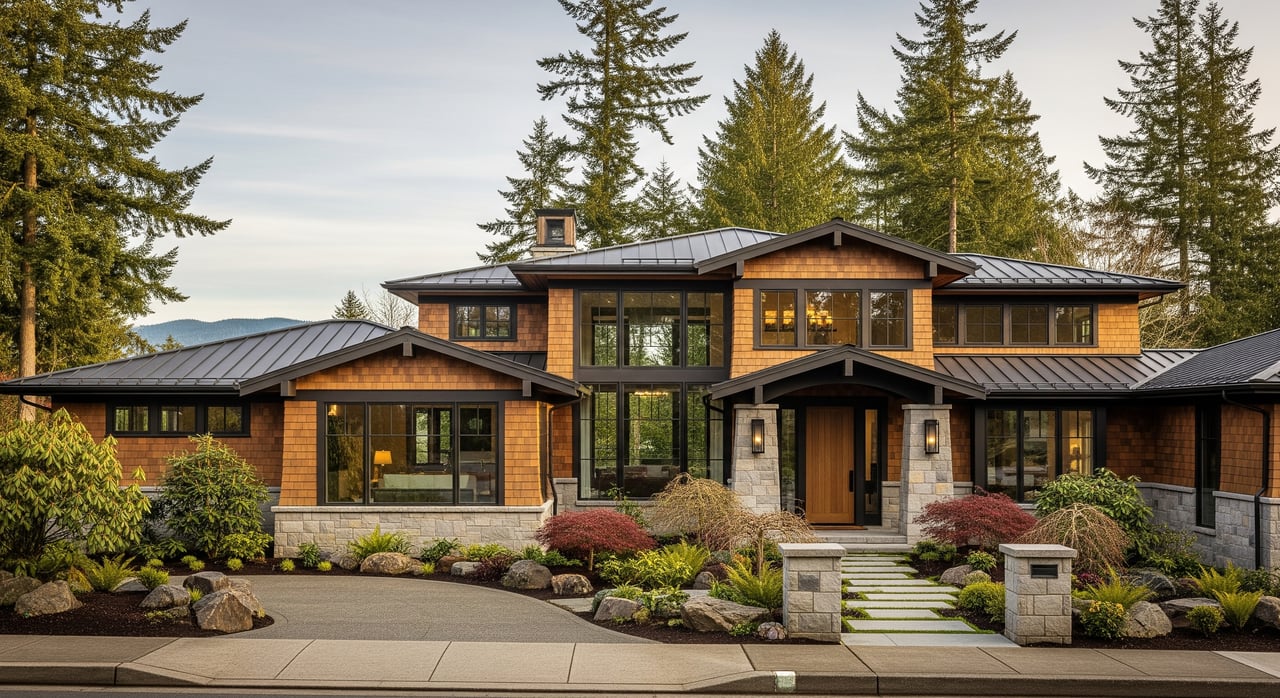
Thinking about buying a home in Mill Creek but not sure how to read the market? You are not alone. Early-stage buyers often see mixed signals and wonder when to act and how competitive it really is. In this guide, you will learn how to interpret the key metrics, understand seasonality in Snohomish County, and set expectations for offers in Mill Creek. Let’s dive in.
Key metrics buyers should track
Median price and short-term trends
Median sale price shows the market’s direction over the last 30 to 90 days. Compare it to the same period a year ago to see if prices are appreciating or softening. A rising median over a short window can signal stronger demand, while a flat or declining median can suggest more room to negotiate.
Inventory and months of supply
Active and new listings tell you how much choice is available and whether sellers are confident enough to list. Months of inventory is a simple formula: active listings divided by average monthly sales. Under 3 months often indicates a seller’s market, 3 to 6 months is more balanced, and above 6 months leans toward a buyer’s market.
Sale-to-list ratio and days on market
The sale-to-list price ratio shows how final sale prices compare to asking prices. Over 100% suggests frequent bidding above list. Pair that with median days on market. Shorter days on market usually means faster sales and more multiple-offer situations.
Pending-to-active ratio
The pending-to-active ratio compares homes under contract to homes still for sale. A higher ratio points to quicker absorption and rising competition. Track this alongside months of inventory for a fuller picture of demand.
Price per square foot
Price per square foot helps you compare value across different areas and housing types. Use it to cross-check whether a home’s list price aligns with recent sales of similar age, size, and condition.
Mill Creek seasonality and timing
Spring surge
In the Pacific Northwest, spring often brings the most new listings and the highest buyer activity. Families commonly aim for spring and early summer to align with school calendars, which can concentrate demand and selection at the same time.
Fall and winter shifts
Early fall can show a smaller second wave of activity. Winter months tend to be quieter, which may lengthen days on market. If you shop in winter, you may find more negotiating power but a smaller pool of move-in-ready options.
What timing means for you
- If you want the widest selection, target spring, and prepare for competition.
- If you value leverage and can be flexible on features or timing, winter can work.
- Watch for new construction or newly released phases that can boost short-term inventory.
Micro-neighborhoods and home types
Town Center and walkable core
Areas near Mill Creek Town Center often see steady interest because of shopping, dining, and everyday convenience. These listings can move quickly. Expect to compare similar homes by walkability, parking ease, and noise levels to find your best fit.
Single-family variety and lot size
Mill Creek’s single-family homes span older, smaller properties to newer or remodeled homes with larger footprints. Lot size, outdoor space, and condition heavily influence price. When comparing, review year-built, recent updates, and yard usability.
Townhomes and condos
Townhomes and condos are common entry points for first-time buyers. Supply in this segment can be tight, which affects pricing and speed. Review HOA dues, rules, and reserve studies to understand long-term costs and maintenance planning.
Commute access and value drivers
Proximity to major north-south corridors and transit options can support stronger demand. Other factors that affect value include access to parks, neighborhood amenities, and local school boundaries. Use objective data and official maps to verify commute routes and attendance zones.
How to read shifting conditions
Signs of a highly competitive market
- Months of inventory under 3
- Sale-to-list ratio at or above 100%
- Short median days on market These together often mean multiple offers and tighter timelines.
Signs leverage may be improving
- Inventory trending up
- Sale-to-list ratio edging down toward 100% or below
- Days on market increasing This pattern suggests more room to negotiate on price and contingencies.
Offer dynamics in Mill Creek
Get financially ready first
Aim for a full pre-approval letter, not just prequalification. Have proof of funds ready for your down payment and earnest money. Talk with your lender about appraisal scenarios and timing before you tour homes.
What strengthens a seller’s confidence
Price matters, but so does certainty of closing. Conventional financing or cash can be viewed as lower risk in some cases. A clean, well-structured offer with clear timelines helps your bid stand out.
Contingencies, timelines, and terms
- Inspection: Standard, but sometimes shortened or waived in hot conditions. Waiving increases risk.
- Appraisal: Some buyers offer appraisal gap coverage if values are rising faster than comps. Weigh the cash impact.
- Financing: Strong documentation and shorter contingency periods can help.
- Earnest money: Higher deposits can signal commitment, subject to agreed contingencies.
- Possession: Flexibility on closing or post-closing occupancy can be a tiebreaker.
Manage risk without regret
Competitive offers often come with higher risk. Consider independent inspections, a careful review of seller disclosures, and full HOA document review for attached homes. Align your strategy with your budget, comfort level, and long-term plans.
How to track current numbers
- Ask your agent for the latest NWMLS snapshot focusing on median price, months of inventory, sale-to-list ratio, days on market, and the pending-to-active ratio.
- Compare single-family, townhome, and condo trends separately so you can set realistic expectations by property type and price band.
- Revisit the data every two to four weeks during your search. In fast-moving windows, 30- to 90-day medians tell the clearest story.
- When you are ready to write an offer, refresh the comps and absorption data for the micro-area around your target home.
Putting it all together
If you understand how to read pricing, inventory, and speed, you can make clearer decisions in the Mill Creek housing market. Pair that knowledge with realistic timing, a smart offer plan, and a careful approach to risk. If you want a local, data-informed partner to help you navigate Mill Creek and nearby Snohomish County neighborhoods, connect with Greg Erickson for a conversation about your goals.
FAQs
How competitive is the Mill Creek market right now?
- Check months of inventory, sale-to-list ratio, and median days on market for the latest 30 to 90 days to gauge competition.
What home types are most attainable for first-time buyers in Mill Creek?
- Townhomes and condos are common entry points, though supply can be limited; compare HOA costs and reserves in addition to price.
Should I waive inspection or appraisal contingencies to win in Mill Creek?
- These tactics can strengthen an offer but raise risk; discuss options with your agent and lender before making concessions.
How much earnest money is typical in this area?
- Practices vary by listing and price point; many markets see 1 to 3 percent of the purchase price, subject to agreed contingencies.
What should I review if I’m buying a condo or townhome?
- Request HOA governing documents, budgets, and recent reserve studies to understand dues, policies, and long-term maintenance planning.