If you are thinking about simplifying your home, cutting down on maintenance, or moving closer to the energy of the city, a Seattle condo may be worth a serious look. Condo living can fit a wide range of next chapters, from downsizing to relocating for work to wanting a more car-light lifestyle. The key is knowing what you gain, what you give up, and what questions to ask before you buy. Let’s dive in.
Why Seattle condos stay relevant
Seattle condos are not a niche corner of the market. According to Northwest Multiple Listing Service data, Seattle map areas recorded 2,524 condo sales in 2025 at a median price of $590,000, while the King County condo median was $560,000. That scale matters because it shows condos remain a meaningful option for buyers who want ownership in an urban setting.
The market also shows an important range in pricing. In March 2026, King County condo sales had a median price of $550,000 with 3.96 months of inventory. At the same time, statewide new-construction condos posted a much higher 2025 median of $900,000, which helps explain why newer buildings with extensive amenities can sit in a very different price bracket.
Who a Seattle condo may fit best
Downsizers seeking less upkeep
If your next chapter is about simplifying daily life, condo ownership can be appealing. Under Washington condo law, associations generally maintain common elements and many shared exterior systems, while unit owners are typically responsible for their own units unless the declaration says otherwise. For many buyers, that means less hands-on responsibility for exterior upkeep and major shared building systems.
This can be especially useful if you are moving from a home with a yard, exterior painting needs, or ongoing repair tasks that now feel more like work than enjoyment. You may trade some independence for convenience, but that trade can feel worthwhile when your priorities shift.
Relocating professionals and city-focused buyers
Seattle condos can also work well if you want easier access to work, dining, services, and transit. City planning information describes Downtown, First Hill/Capitol Hill, and South Lake Union as dense urban centers with strong transit access. In the First Hill/Capitol Hill regional center, many residents can walk, bike, or take transit to work and daily needs.
Seattle’s broader transit network includes buses, light rail, streetcar, and boats. If your goal is to drive less and stay connected to the city, a condo in the right location may support that lifestyle better than a more car-dependent property type.
Buyers who want amenities over square footage
Many Seattle condo buildings lean into shared spaces and services rather than oversized private outdoor areas. Current projects often highlight features like concierge service, co-working areas, fitness rooms, rooftop terraces, resident lounges, bicycle storage, pet-focused amenities, and storage areas. That can be a strong fit if you value convenience and shared perks more than having a large private lot or expansive footprint.
Floor plan offerings also reflect that urban pattern. Buildings highlighted in the research commonly market studios, one-bedroom homes, two-bedroom homes, and some penthouses. If location and lifestyle matter more to you than maximizing interior space, a condo may line up well with your goals.
When a condo may be the wrong fit
A condo is not the best answer for every buyer. If you want a private yard, broad control over exterior changes, or the lowest possible monthly carrying costs, another property type may serve you better. Condo ownership comes with association dues, shared decision-making, and governing documents that can impose rules.
Those rules may address topics like renting, occupancy, and use. That does not make condos better or worse than other homes. It simply means condo ownership is more structured, and you want to feel comfortable with that structure before you commit.
What Seattle condo living often includes
Shared amenities
Amenity packages can be part of the appeal, especially in newer or more service-oriented buildings. Examples from current Seattle projects include concierge service, lobby gathering spaces, co-working lounges, fitness and yoga areas, media rooms, wine storage, rooftop terraces, clubrooms, bicycle storage, resident storage, pet wash areas, and parking systems.
Not every building offers the same features, and amenities often affect monthly dues and purchase price. If you are condo shopping, it helps to separate the amenities that would truly improve your day-to-day life from the ones that simply sound nice in marketing materials.
Efficient floor plans
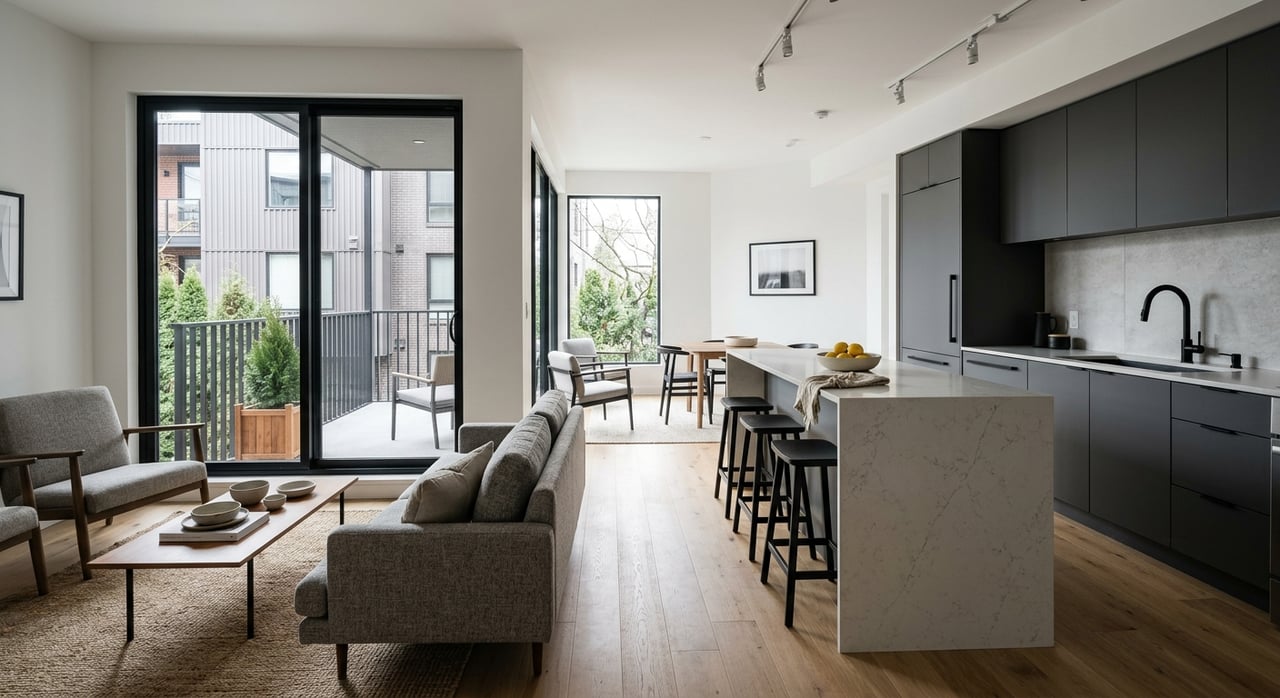
Seattle condo layouts often favor practical, city-oriented living. Studios through two-bedroom homes are common, with larger penthouse options in some buildings. That usually means you are buying into location, building features, and lower exterior maintenance rather than large private outdoor space.
For some buyers, that is exactly the point. For others, it can feel like a compromise. The best fit depends on how you actually live, not just what looks appealing in a listing.
The real tradeoff: convenience and control
The biggest condo question is often not price alone. It is whether you are comfortable exchanging some control for shared maintenance and shared governance. In Washington, the association generally handles common elements, tracks assessments and reserves, and may apply late charges and other reasonable charges tied to common expenses.
That structure can be helpful because major building responsibilities do not fall on one owner alone. At the same time, it means you are part of a larger financial and decision-making system. Before buying, you should understand exactly how that system works in the building you are considering.
What monthly dues may cover
Monthly dues are one of the first things buyers notice, but the better question is what those dues support. Under Washington law and typical condo operations, dues can fund common expenses, reserves, and insurance tied to the association’s responsibilities. Depending on the building, that may include maintenance of common elements, shared systems, amenities, and long-term capital planning.
A higher monthly number is not automatically a red flag, and a lower one is not automatically a bargain. If dues are too low for the building’s actual needs, owners may face tougher choices later when major work comes due.
Why reserves matter so much
Reserve studies help you see ahead
Reserve planning is central to condo ownership. Washington law requires many associations to update reserve studies annually and have an updated study prepared by a reserve study professional at least every third year. These studies often account for major building components such as roofs, painting, paving, decks, siding, plumbing, and windows.
That matters because buildings age whether owners are ready or not. A strong reserve approach can help an association prepare for major maintenance over time instead of reacting at the last minute.
Special assessment risk is real
If reserves are thin and major work becomes necessary, owners may face a special assessment. That possibility is one of the most important parts of condo due diligence. You are not just buying a unit. You are also buying into the financial condition of the association.
This is why a condo purchase should always include a close look at the building’s reserves, recent projects, and likely upcoming repairs. A beautiful unit can still come with broader building issues that affect your future costs.
The documents you should never skim
For resale condos, the resale certificate is essential. For new condos, the public offering statement plays a similar role. These disclosure documents can reveal the association’s finances, reserve study, insurance coverage, pending lawsuits, and rules around rental or occupancy restrictions.
This paperwork is not busywork. It is one of your best tools for understanding what you are really buying. If a building seems like a strong fit on the surface, the documents help confirm whether the financial and operational details support that impression.
Insurance questions to ask early
Insurance is another area where buyers can make assumptions that do not hold up later. Association coverage does not always match what an owner expects when it comes to fixtures, furnishings, or improvements inside the unit. That is why it is important to verify what the association insures and what you may need to insure separately.
A quick conversation with your own insurance agent can help you avoid surprises. This step is especially important if the unit includes upgraded finishes or improvements that may not be covered the way you assume.
Smart questions before you buy
If you are considering a Seattle condo, these are some of the most useful questions to ask before moving forward:
- What do the monthly dues cover today?
- How strong are the reserves?
- Is there a current reserve study, and what major projects are expected?
- Has the association discussed or approved any special assessments?
- What does the association’s insurance cover?
- What insurance would you need for the unit interior and personal property?
- Are there rental, occupancy, or use restrictions in the governing documents?
- What parking, storage, and transit access does the building actually provide?
- Which amenities would you truly use on a regular basis?
So, is a Seattle condo right for your next chapter?
A Seattle condo can be a smart fit if you want simpler ownership, strong access to urban amenities and transit, and a home that supports a more streamlined lifestyle. It can be especially appealing if your priorities are shifting away from exterior upkeep and toward convenience, location, and building features. Still, the right condo purchase depends on careful review of dues, reserves, rules, insurance, and the building’s overall health.
If you are weighing whether condo living makes sense for your next move in Seattle or nearby King County, the best next step is a clear-eyed conversation about your lifestyle, budget, and long-term plans. Greg Erickson can help you evaluate your options and navigate the details with the kind of local, practical guidance that makes the process feel a lot more manageable.
FAQs
Is condo ownership in Seattle good for downsizing?
- It can be a strong fit if you want less exterior maintenance and simpler day-to-day ownership, since associations generally handle common elements and many shared building responsibilities.
What do Seattle condo HOA dues usually cover?
- Dues generally help pay for common expenses, reserves, and association insurance, though the exact coverage depends on the building and its governing documents.
How important are reserves when buying a Seattle condo?
- Reserves are very important because they help fund future major repairs, and weak reserves can increase the chance of a special assessment.
What Seattle condo documents should buyers review carefully?
- Buyers should closely review the resale certificate or public offering statement because these documents can show finances, reserve information, insurance details, pending lawsuits, and rental or occupancy restrictions.
Are Seattle condos a good fit for a car-light lifestyle?
- They can be, especially in central districts like Downtown, First Hill/Capitol Hill, and South Lake Union, where city planning information points to strong transit access and walkable connections to daily needs.
What should you ask about parking and storage in a Seattle condo building?
- You should confirm exactly what parking, resident storage, and bicycle storage come with the unit or building, rather than assuming those features are included.